
Moving Overseas by Air Freight
Air freight can be a useful option when you need a smaller amount of your belongings at your destination sooner. Palmers can arrange international air freight as part of your overseas move, either for selected essentials or, where suitable, as the main shipment.
Is Air Freight the Right Option for Your Move?
Air freight is usually worth considering when you have a smaller shipment, or there are belongings you would rather not wait weeks for after arriving overseas.
For example, you might send clothes, work equipment and a few things you’ll need straight away by air, while furniture and the bulk of the household move travel by sea. If you’re moving with relatively little, air freight may also make sense for the whole shipment.
The trade-off is cost. Air freight becomes more expensive as the shipment gets larger, so faster isn’t automatically better. The right choice comes down to how much you’re moving, where it’s going and how soon you need it.
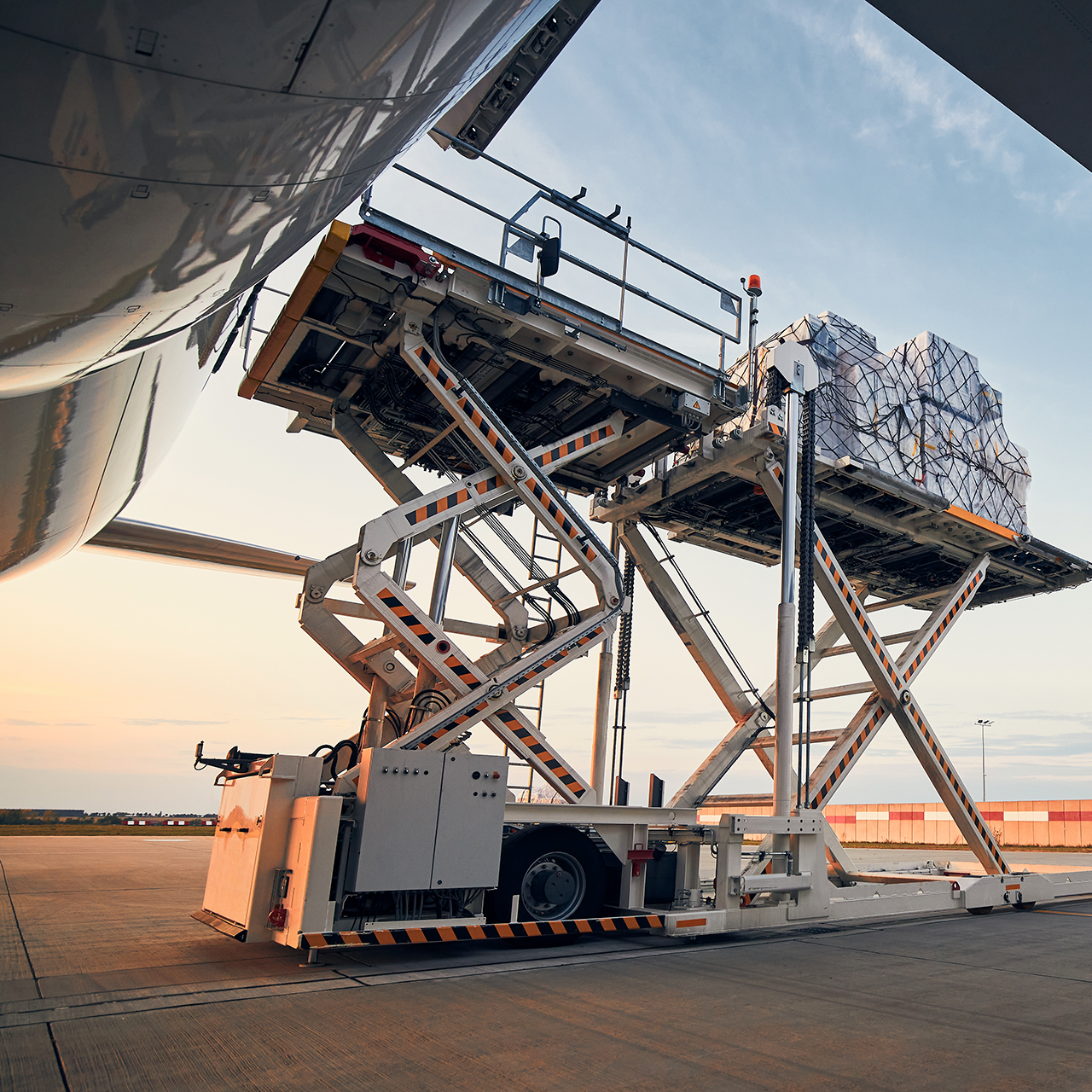
Air Freight, Sea Freight — or Both?
Once air freight looks like a sensible option, the next question is how it fits alongside the rest of your move. Air and sea freight serve different purposes, so comparing them side by side makes it easier to see where each one fits.
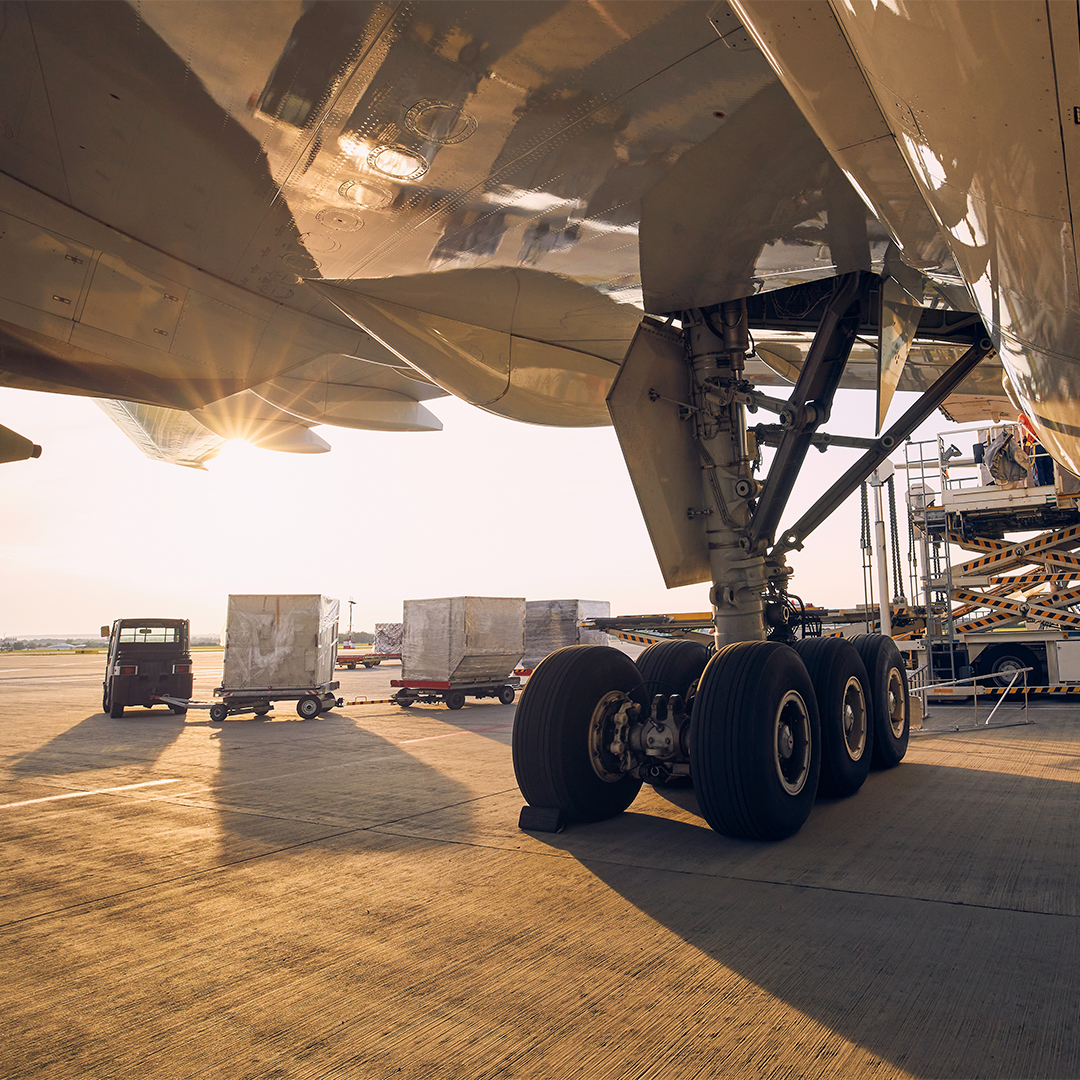
| Compare | Air Freight | Sea Freight |
|---|---|---|
| Best suited to | Smaller shipments or belongings needed sooner | Larger household moves |
| Speed | Faster | Longer transit time |
| Cost | Becomes more expensive as the shipment gets larger | Generally better value for larger volumes |
| Typical moving use | Clothes, work items and selected essentials | Furniture and the main household shipment |
What Should You Send by Air?
If you are splitting your move between air and sea freight, think about what you will genuinely need before the main shipment arrives.
For many people, that means a smaller selection of clothes, work equipment, children’s essentials and a few everyday household items that would be inconvenient to replace or live without for several weeks.
Larger furniture, books and the bulk of the household move will usually make more sense in the sea shipment.
The exact mix will depend on where you are moving, how quickly you will settle into permanent accommodation and what you can easily buy or borrow at destination.
Pack your air shipment as though you were setting yourself up for the first few weeks overseas, not trying to recreate your whole home immediately.
How Does an International Air Freight Move Work?
We assess what you're sending
We look at the volume, destination and timing, and whether air freight makes sense for all or part of the move.
Your belongings are professionally packed
Packing needs to be suitable for international air freight and the items being transported.
Documentation is prepared
The shipment needs the correct inventory and the required export and import documentation.
The shipment is booked and dispatched
Airline schedules and routing determine how the freight travels to its destination.
Customs clearance takes place
Your shipment still needs to meet the destination country's import and customs requirements.
Delivery is arranged
Once the shipment has cleared, delivery can be arranged to the final destination.
What Can’t Go in an Air Freight Shipment?
Everyday at home. Different rules in the air.
Some everyday household items are treated very differently once they become air cargo.
Products that are flammable, pressurised, corrosive or battery-powered may be prohibited
altogether or may need special handling before they can travel.
The rules can also depend on the item, how it is packed, the airline and the route.
That is why something you normally keep in a cupboard, garage or suitcase may need to
be checked before it goes into an air-freight shipment.
Check before you pack
Quality Assurance & Accreditations